
Scientific Research
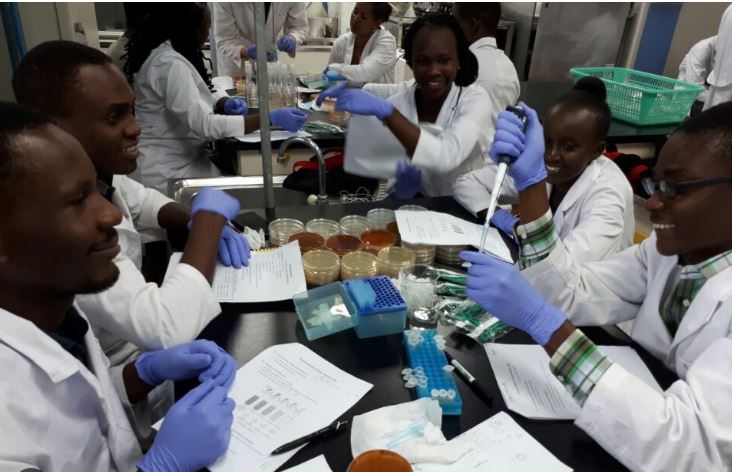
Scientific research in Africa encompasses a diverse array of disciplines and fields, contributing to the continent's development, innovation, and knowledge creation. Despite facing challenges such as limited funding, infrastructure constraints, and brain drain, African scientists are making significant contributions across various domains, including health, agriculture, technology, environmental sustainability, and social sciences. One major focus of scientific research in Africa is health. Researchers investigate prevalent diseases such as malaria, HIV/AIDS, tuberculosis, and neglected tropical diseases, aiming to develop effective prevention strategies, diagnostics, and treatments. Additionally, there's a growing emphasis on public health research, including epidemiology, health systems strengthening, and community health interventions to improve healthcare access and outcomes. Agricultural research is also vital in Africa, given the continent's reliance on agriculture for livelihoods and food security. Scientists work on improving crop yields, developing drought-resistant varieties, enhancing soil fertility, and promoting sustainable farming practices. Furthermore, research in animal husbandry, fisheries, and agribusiness contributes to boosting agricultural productivity and livelihoods for rural communities.
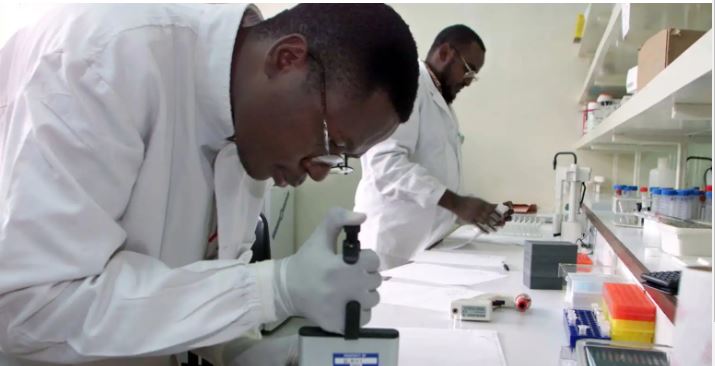
Technological innovation and engineering research are gaining momentum in Africa, with initiatives aimed at developing indigenous technologies, improving infrastructure, and addressing societal challenges. This includes research in renewable energy, water management, information and communication technologies (ICTs), and transportation infrastructure, driving economic growth and industrialization. Environmental sustainability is another critical area of scientific research in Africa, particularly in the context of climate change, biodiversity conservation, and natural resource management. Researchers study ecosystems, wildlife conservation, and climate adaptation strategies to mitigate environmental degradation and promote sustainable development. In the social sciences, researchers investigate issues related to governance, democracy, conflict resolution, and social cohesion, aiming to inform policymaking and promote inclusive development. Additionally, cultural research, anthropology, and archaeology contribute to preserving Africa's rich cultural heritage and understanding its historical context. Overall, scientific research in Africa is essential for addressing the continent's development challenges, fostering innovation, and building local capacity. Collaborations between African institutions, international partners, governments, and the private sector are crucial for advancing scientific knowledge, promoting technology transfer, and driving sustainable development across the continent.